The Neat-Edge Myth: Why a Tidy Border Is Not the Only Useful One
Thicket edge management can preserve layered plants, flowers and cover while keeping paths usable, with targeted cuts that serve a clear purpose.
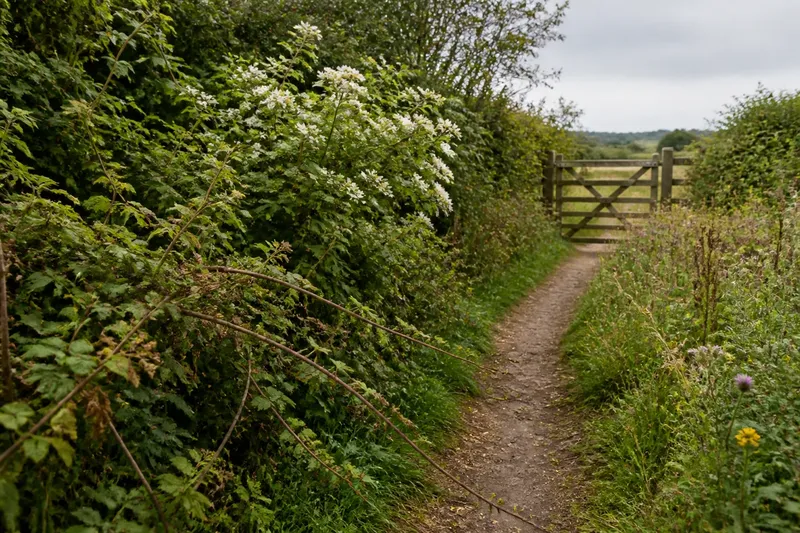
Thicket edge management works best when each cut has a purpose, rather than when every stem is treated alike. A path may need clearance while nearby shrubs can remain tall enough to flower and form cover.
What does a managed thicket edge contain?
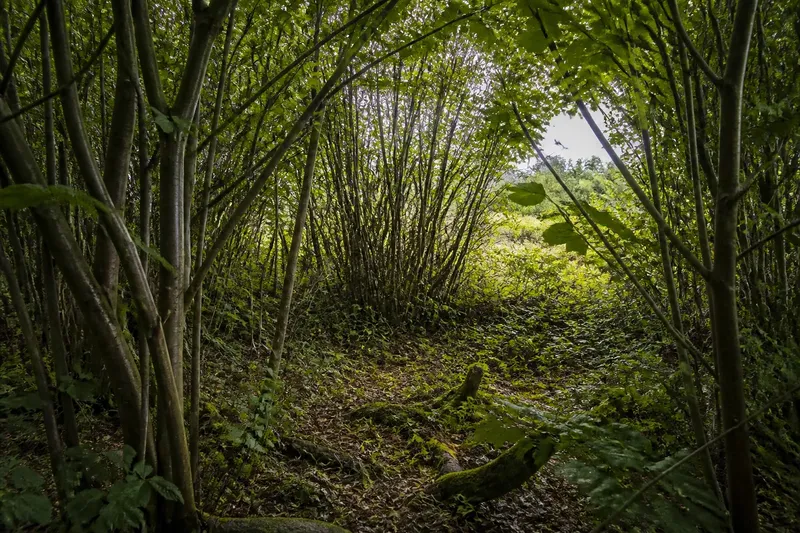
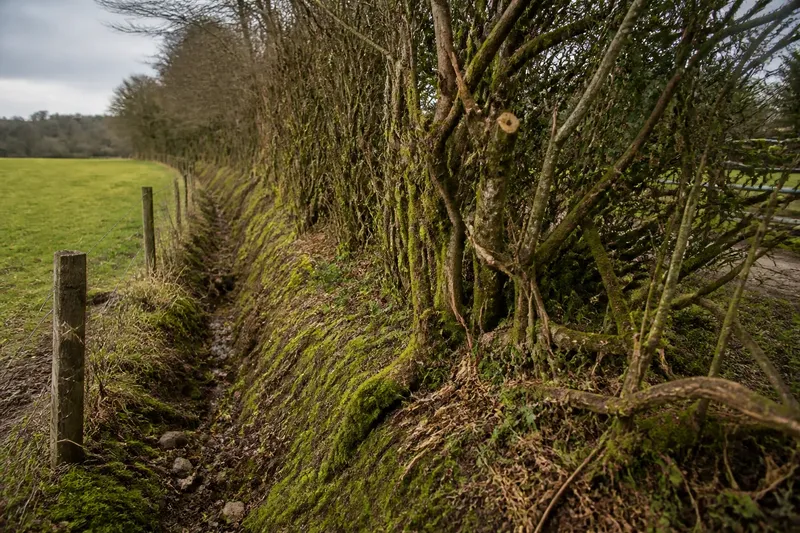
A useful edge is often a transition rather than a sharp boundary: grasses and low herbs give way to flowering shrubs, then taller and denser growth. These layers offer different growing conditions and make the thicket less like a clipped wall.
Management is the decision-making that preserves this structure while dealing with access, unwanted spread or visibility. The aim is not to leave everything untouched; it is to make cuts where they solve a specific problem.
Why does uniform trimming simplify the habitat?
Cutting every stem to the same height at the same time removes flowers and seed heads together. It also reduces the differences in cover and plant form that a varied edge can retain.
Different plants respond differently to cutting. If the whole boundary is treated identically, there is less room for flowering growth, open patches and sheltered stems to coexist. A consistent trim can be useful along a path or beside a gate, but it need not extend across the entire thicket.
How can you manage access without flattening the boundary?
Begin by identifying the actual constraint: a blocked route, a gate that cannot open, or growth obscuring a necessary view. Mark that section mentally or with a temporary, removable marker, then keep cuts within the area that needs attention.
- Observe whether stems cross the walking line. If they do, cut or redirect only the obstruction; if they do not, leave the route-side growth in place.
- Check whether a gate opens freely. If stems prevent it, clear the immediate swing area; if it works, do not widen the cut without another reason.
- Notice whether a required sightline is obscured. If it is, trim the growth in that view corridor; if it is clear, retain the taller plants beyond it.
- Look for flowers on the stems marked for removal. If flowering growth is outside the access area, leave it until its current flowering stage has passed; if it blocks access, make the narrowest practical cut.
- Check for seed heads before cutting. If they are not causing a problem, retain them for now; if they obstruct the route, remove only the obstructing stems.
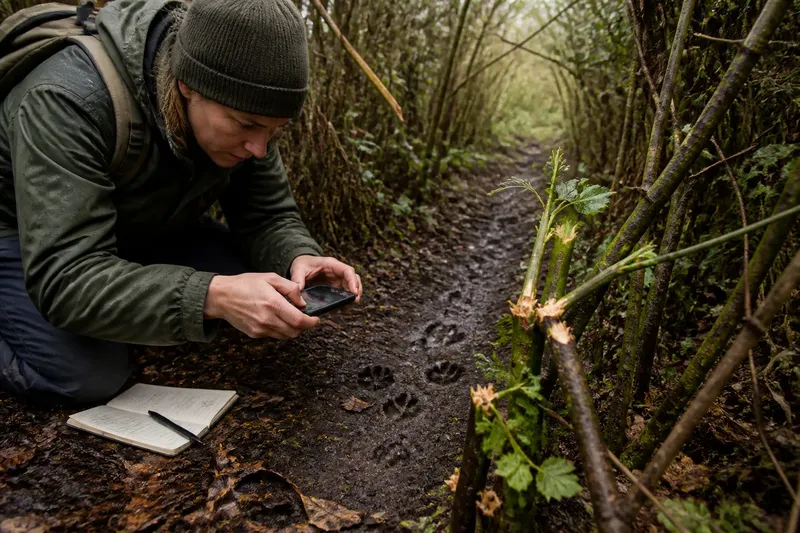
- Inspect dense growth for signs of an occupied nest or other wildlife use. If you see signs or remain uncertain, do not disturb that section and seek appropriate local advice; if no concern is apparent, proceed only with the planned, limited work.
- Look for low plants and small open patches that would be covered by a broad cut. If they can remain without being trampled or smothered, preserve them; if access requires their removal, confine the work to that point.
- Compare the height and density of adjoining sections. If all are already equally low, retain a suitable taller section where access allows; if some are already varied, avoid cutting them to match.
Say you manage a mixed thicket beside a narrow garden path: bramble stems cross the walking line, a nearby shrub is flowering, and the gate opens without difficulty. Clear the bramble stems that obstruct the route, leave the flowering shrub, and make no cut around the gate; the expected result is a passable path beside a layered edge, with the unnecessary work avoided.
When is a sharper edge the sensible choice?
A crisp margin can make a route easier to use, keep vegetation clear of a gate or maintain a planted boundary. Where access or visibility matters, selective trimming is more useful than allowing every plant to spread unchecked.
The practical distinction is between a defined working margin and a uniformly shortened habitat. Keep the necessary route clear, then retain taller growth where it does not interfere. A maintained edge can look deliberate without requiring every stem to stand at attention.
Before cutting on shared land, or where protected plants, wildlife or local restrictions may be involved, check the relevant landowner guidance and local rules. If the decision remains unclear, ask a qualified local adviser.
What should you check before trimming a thicket edge?
Which stems are flowering or setting seed?
Look for flowers and developing seed heads on the growth you plan to remove. If those stems do not obstruct access, leave them in place for now; if they do, limit cutting to the obstruction.
Where does the route need clearance?
Trace the walking line and check the points where stems impede passage, turning or gate use. If a specific point is blocked, cut there; if the route is clear, avoid extending the work along the whole edge.
Is there a gradual transition between open ground and scrub?
Check whether low plants, shrubs and taller stems form distinct bands. If they do, preserve those bands where practical; if a section must be cut for access, confine the cut to that section.
Could cutting disturb wildlife or conflict with local rules?
Inspect dense growth for signs of wildlife use and check who has authority over the land. If you find signs of an occupied nest, are unsure what you have seen, or cannot establish the applicable rules, leave that section undisturbed and seek appropriate local advice.
How should you judge the result?
After trimming, check whether the original access problem is resolved and whether useful differences in height and cover remain nearby. If the route is clear and the rest of the edge still has varied structure, the work has served its purpose without turning maintenance into a full-scale haircut.
Good thicket edge management is visible in the limits of the cut as much as in the cleared path. Keep those limits tied to a real need, and the boundary can remain both usable and structurally varied.